
Academic buildings
Lecture halls, seminar rooms, faculty offices, and corridors cleaned against the class timetable rather than a fixed nightly slot.
Campuses · Los Angeles
Tell us the level.
We’ll staff to it.
Custodial service for Los Angeles universities, scoped to an APPA cleanliness level building by building, with the residence hall turnover window planned months before move-out.
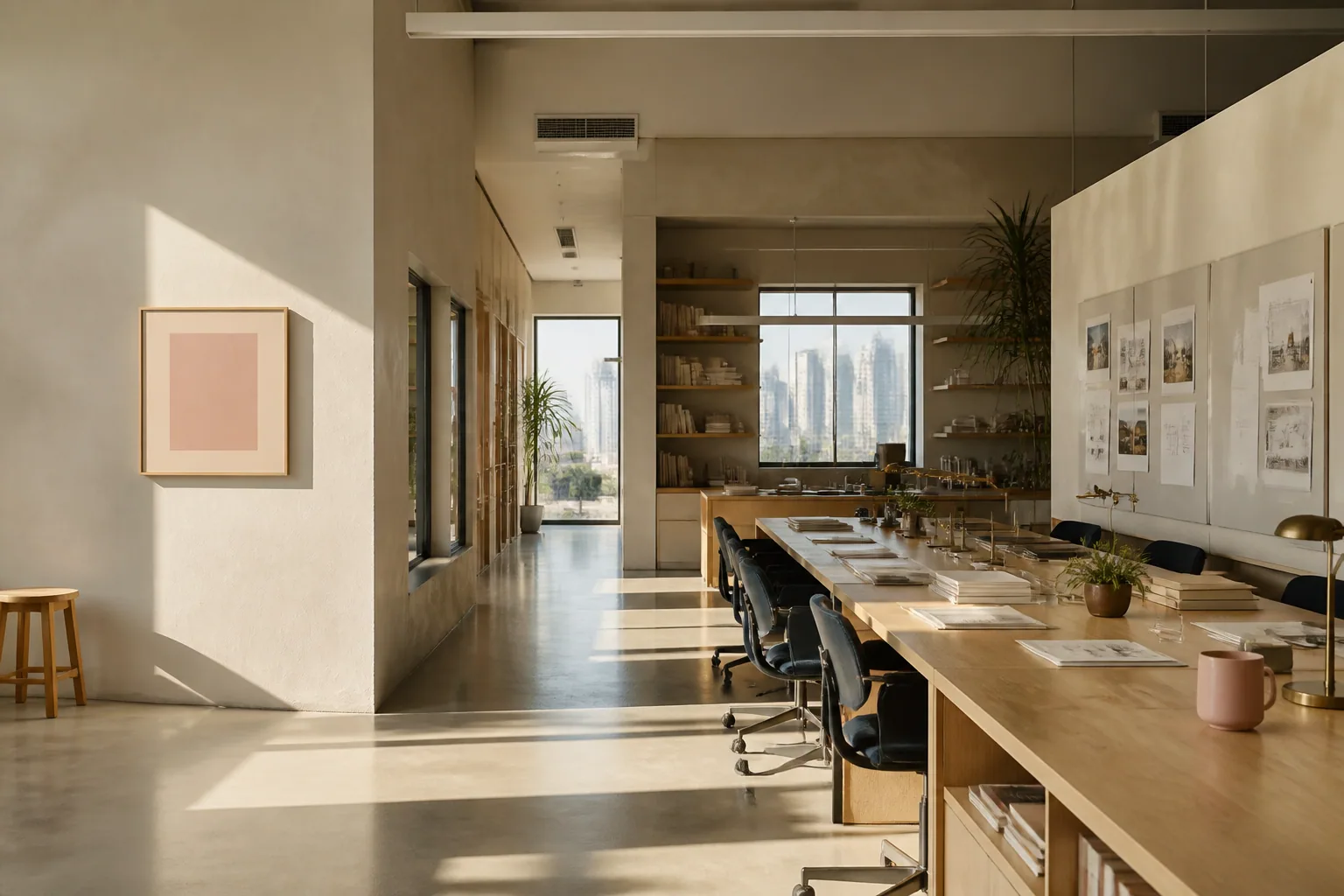
The campus
A campus is not one facility on one schedule. A lecture hall empties at nine, a library runs past midnight, and a residence common room never really stops. A single campus-wide frequency serves none of them well.
Lecture halls, seminar rooms, faculty offices, and corridors cleaned against the class timetable rather than a fixed nightly slot.
Extended and overnight hours mean the cleaning window is narrow, and it shifts again through exam periods.
Lounges, laundry, kitchens, and corridors in student housing, which carry the heaviest and least predictable use on campus.
The standard
Higher education does not procure custodial work by adjective. APPA’s Operational Guidelines for Educational Facilities define five measurable levels of cleanliness and the production rates that turn a target level into a staffing number, which is the language a facilities director already works in.
From Level 1, orderly spotlessness, through Level 5, unkempt neglect. Each level describes floors, surfaces, and fixtures in observable terms rather than in intentions, so an inspection can settle a disagreement.
Level 2 is the common target for general academic space, with some institutions running Level 3 across the majority of campus and reserving higher levels for showcase and high-traffic areas.
APPA production rates translate a target level and a square footage into required hours. That is why a level has to be chosen before a price means anything, and why a quote without one is guesswork.
A campus rarely wants one level everywhere. Admissions and main lobbies often justify a higher level than a back-of-house corridor, and the scope can price each accordingly.
The scope
Each building gets its own level, frequency, window, and priority list, tied together under one written standard and one point of contact.
Desks, seating, floors, whiteboards, and door hardware turned over against the timetable, with tiered halls handled row by row.
High-traffic building restrooms at a frequency matched to class changeover rather than to headcount.
Tables, carrels, seating, and floors on a window that flexes through exam periods when buildings stay open later.
Lounges, shared kitchens, laundry rooms, and corridors. Individual student rooms are excluded except as scheduled turnover work.
Lab floors, corridors, and general surfaces. Benches, fume hoods, chemical handling, and regulated waste stay with lab staff and environmental health and safety.
Because the target is a defined level, service can be inspected against it and reported rather than debated at renewal.
Residence turnover
Residence hall turnover is the highest-density event on the academic calendar: hundreds of rooms across dozens of buildings, in the window between the last student checking out and the first arriving in the fall. It is planned like a project, not scheduled like a cleaning visit.
That window is the entire margin. It is also shared with painting, flooring, maintenance, and inspections, so custodial sequencing has to fit around trades rather than assume an empty building.
Conference groups, athletic camps, and orientation occupy halls through the summer, turning one long window into several short ones with hard handover dates.
Turnover is a defined per-room scope: full clean, floor care and carpet extraction, fixtures, and a condition check, so a room can be released rather than revisited.
Building order, crew sizing, and conference handover dates are agreed before move-out. Turnover fails on sequencing far more often than on cleaning.
How we begin
A campus scope written as one document with one frequency will fail somewhere. Qinti prices each building against its own use and its own target level.
We tour each building in scope with your facilities contact, agree a target APPA level per building, review timetables and opening hours, and identify lab and restricted areas.
You receive a per-building scope with its target level, frequency, and window, the excluded lab and restricted areas, the turnover plan, and the term and break schedule.
Crews are background-checked W-2 employees, not rotating subcontractors. Qinti submits the crew roster in advance, works to your badge and sign-in procedure, and will sign a non-disclosure agreement covering anything seen on site.
Crews are background-checked Qinti W-2 employees with supervisor checks against the written scope. Qinti has served Los Angeles-area clients since 2008 and is insured and bonded.
“Over the years, they have consistently provided outstanding service.”
Useful questions
Facilities directors ask about standards, staffing, and turnover. These are the questions.
Whichever level you set, per building. APPA defines five measurable levels from orderly spotlessness down to unkempt neglect, and its production rates convert a target level and square footage into required hours. Most campuses target Level 2 for general academic space. Agreeing the level first is what makes a quote comparable between vendors.
Yes, and most campuses should. Admissions, main lobbies, and showcase spaces often justify a higher level than back-of-house corridors. Each building is priced against its own target rather than averaged into one campus number.
As a project with a fixed window. Turnover runs in the six to eight weeks between final checkout and fall move-in, shared with painting, flooring, and maintenance trades, and further compressed by summer conferences and camps. Building order, crew sizing, and handover dates are agreed in spring rather than in May.
Yes. Conference housing turnover is scoped as a defined per-room deliverable with hard handover dates, which is how a hall moves from one group to the next without slipping.
General areas only: lab floors, corridors, and non-bench surfaces. Benches, fume hoods, chemical handling, and regulated waste remain with lab staff and your environmental health and safety process.
No. Common areas are the recurring scope: lounges, shared kitchens, laundry, and corridors. Individual rooms are cleaned as scheduled turnover work between occupants rather than on a recurring basis.
Windows flex when buildings stay open later through exams, and longer breaks are used for deeper resets and floor work. Both are written into the scope before the academic year rather than negotiated in the moment.
Yes. Crews are background-checked W-2 employees and Qinti submits the roster in advance, working to whatever campus badge, check-in, and access procedure your facilities team requires.
Service area
Qinti cleans universities and colleges for qualifying accounts across the Los Angeles area, scoped building by building to an agreed cleanliness level.
Santa Monica, Venice, Culver City, Playa Vista, Westchester, and nearby commercial corridors.
Qualifying accounts across East Los Angeles and the surrounding industrial and commercial communities.
El Segundo, Manhattan Beach, Redondo Beach, Torrance, Gardena, San Pedro, and surrounding areas.
Recurring commercial coverage for qualifying Long Beach facilities.
City pages covering access, scheduling, and walkthrough planning for commercial accounts in the South Bay.
Share the buildings in scope, their hours and timetables, your target APPA level, lab and restricted areas, and the turnover calendar. Qinti will price them individually under one standard.